


Origami for Kids
Origami is the art of folding paper into shapes, and it is one of the easiest crafts to start with kids because it needs only paper and a flat table. This page gathers every Artsy Kids Zone origami project in one place, sorted from first folds to more challenging models. You'll find simple folded animals for ages 4 and up, printable cootie catchers (paper fortune tellers) kids can color and play with, and seasonal projects for Halloween, Easter, Christmas and more, plus tips on paper and the questions parents ask most.


By Jessie, mom of four and creator of Artsy Kids Zone · Updated November 2026
Origami at a Glance
-
Ages: 4 and up with help; 6 and up for most projects on their own
-
Time: 5–20 minutes per project
-
Materials: Square paper (or printer paper cut square), crayons or markers for the printable templates
-
Skill level: Beginner to challenge, sorted below
-
Mess level: Very low. No glue or paint needed for most projects
-
Great for: Rainy days, classrooms, travel, quiet time and holiday parties
All Origami Projects
Every origami project on Artsy Kids Zone, with the recommended age, about how long it takes, and how many folding steps it has. Projects are listed from fewest folds to most.
Project | Ages | Time | Folds |
|---|---|---|---|
Witch Origami Cat | 5+ | 20 min | 3 |
Accordion Fold Paper Hearts | 5+ | 15 min | 3 |
Origami Dog | 4+ | 15 min | 4 |
Cootie Catcher Puppets (24 designs) | 5+ | 20 min | 5 |
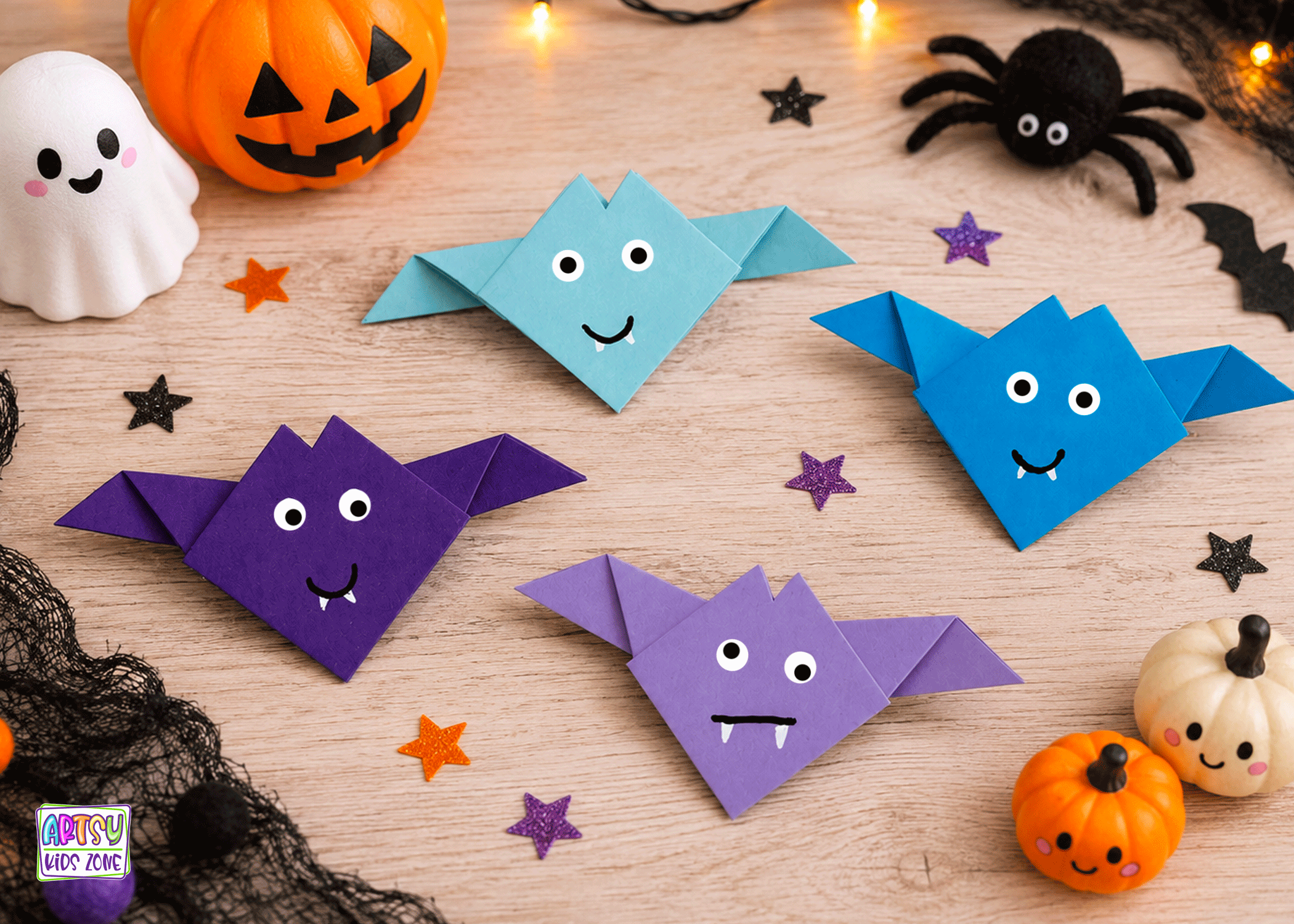
Easy Origami Bat | 5+ | 10 min | 6 |
Easy Origami Whale | 5+ | 10 min | 6 |
Easy Origami Butterfly | 6+ | 10 min | 7 |
Jumping Origami Frog | 7+ | 15 min | 7 |
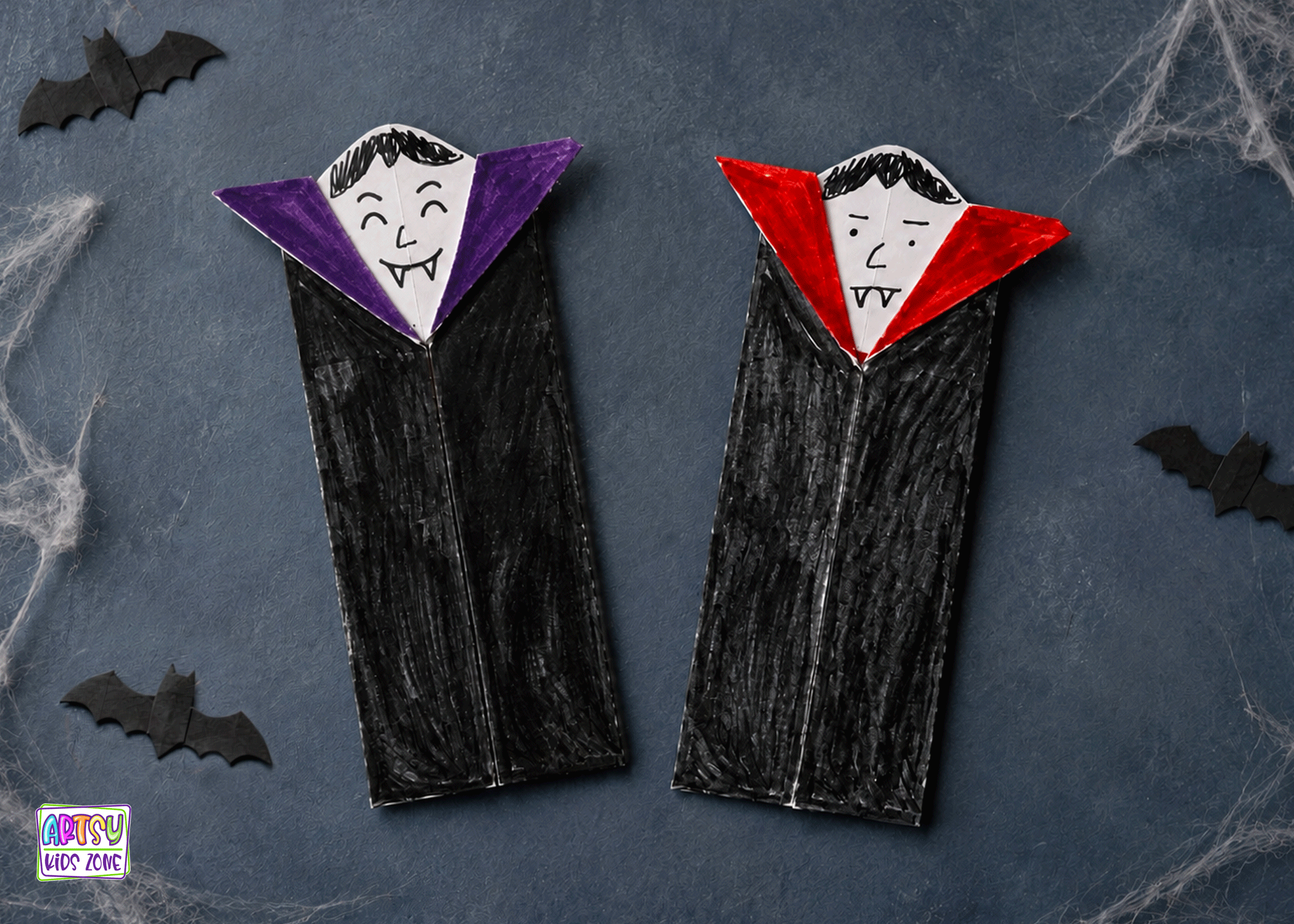
Easy Origami Vampire | 7+ | 15 min | 7 |
Easy Origami Boat | 6+ | 10 min | 9 |
Halloween Origami Witch Fingers | 7+ | 5 min per finger | 9 |
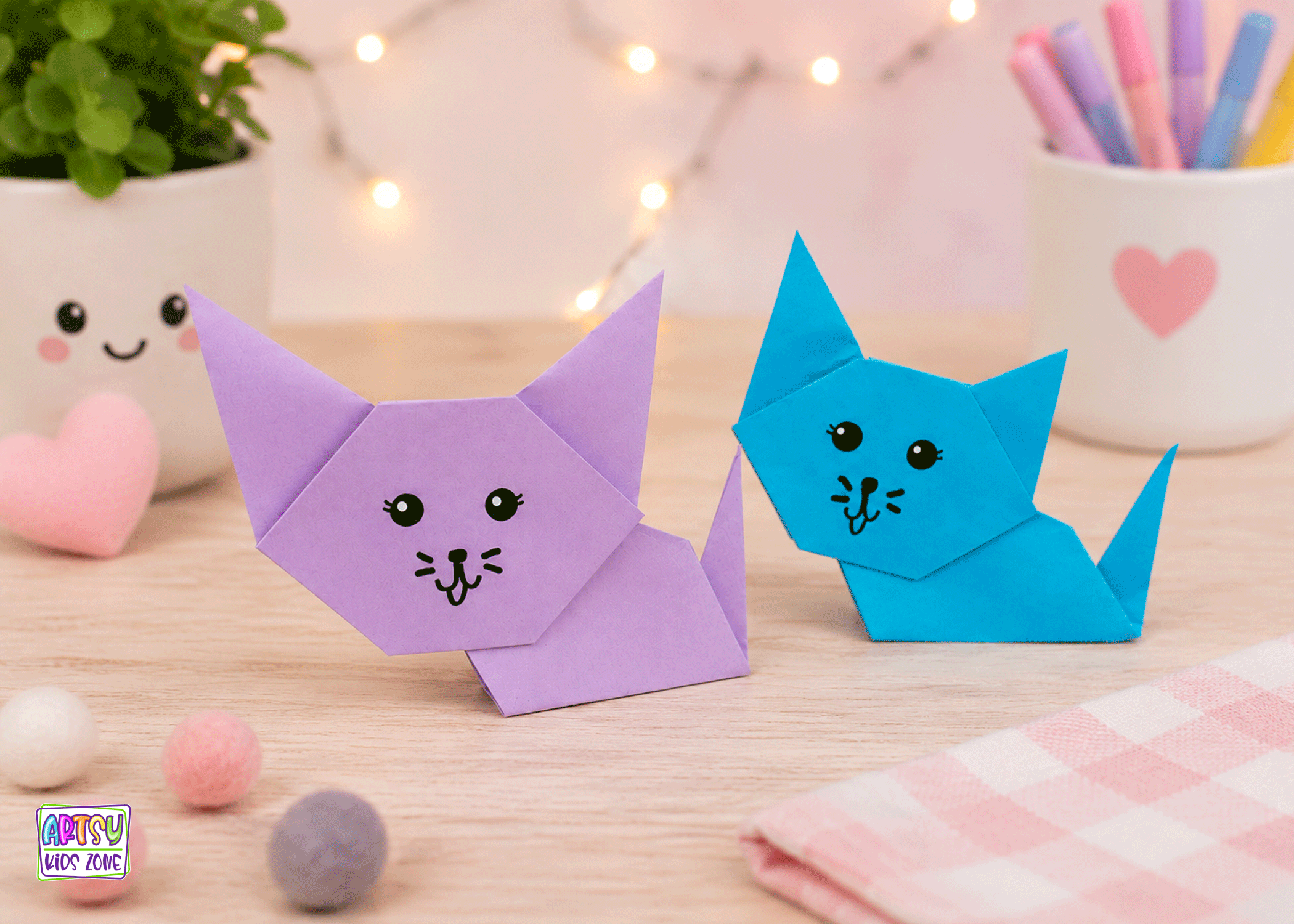
Easy Origami Cat | 7+ | 15 min | 10 |
Easy Halloween Origami Black Cat | 7+ | 15 min | 10 |
Easy Origami Pumpkin | 8+ | 15 min | 15 |
Easy Halloween Origami Jack-o'-Lantern | 8+ | 20 min | 15 |
Folds = number of folding steps in the instructions (printing, coloring, cutting and gluing not counted).
All Cootie Catcher Puppet Templates
Every cootie catcher uses the same 5 easy folding steps, then turns into a talking puppet. Ages 5+, about 20 minutes.
Holidays
Easy Origami for Beginners: Start Here
New to origami? Start with these three projects. Each one uses a single sheet of paper and a handful of folds, and each ends with something kids can play with right away.
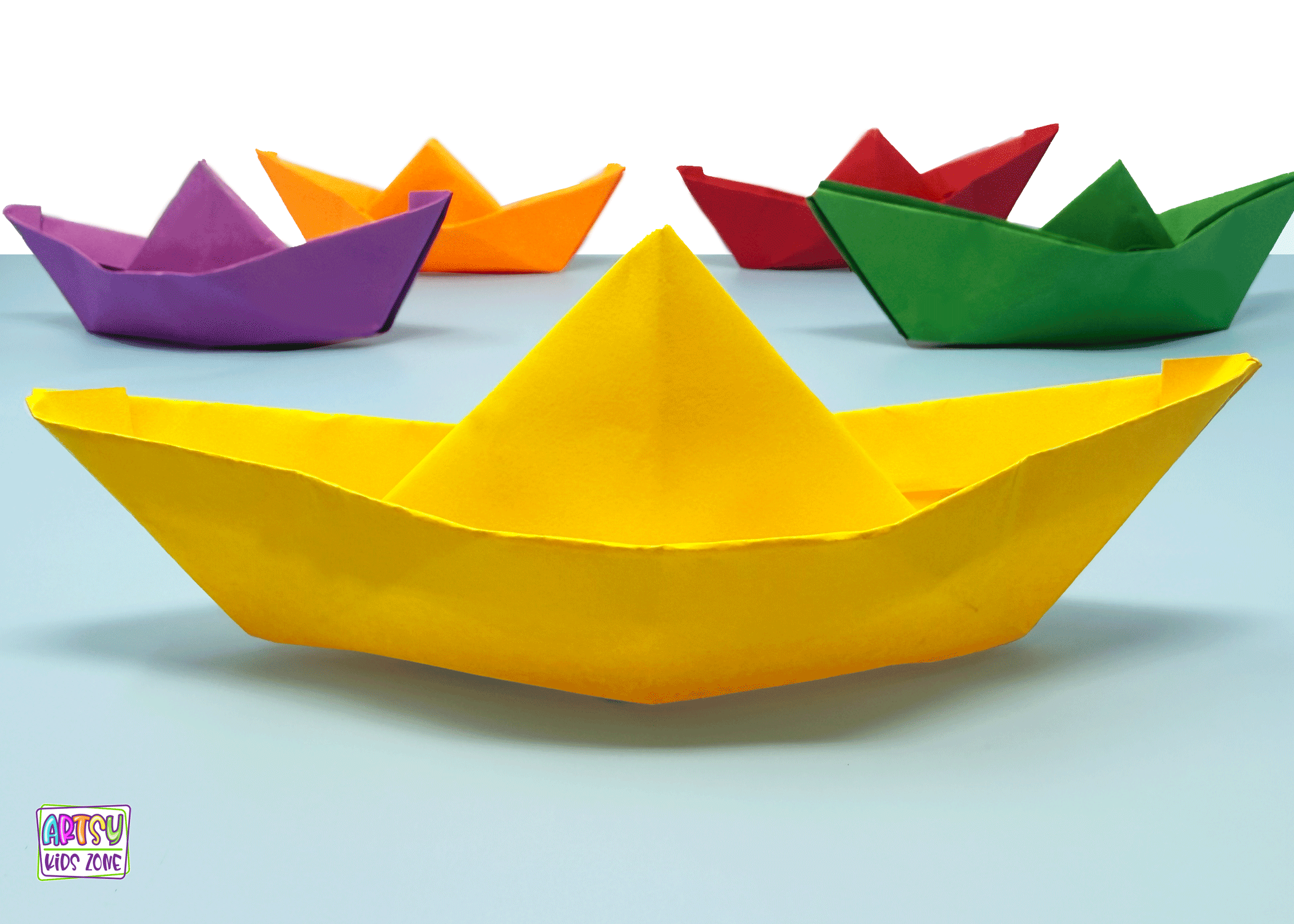


Beginner Origami: Simple Folded Animals and Shapes
These projects use one or two sheets of square paper and 10 folds or fewer. They are a good fit for ages 4–7, or for any child folding for the first time.




Cootie Catchers and Paper Fortune Tellers
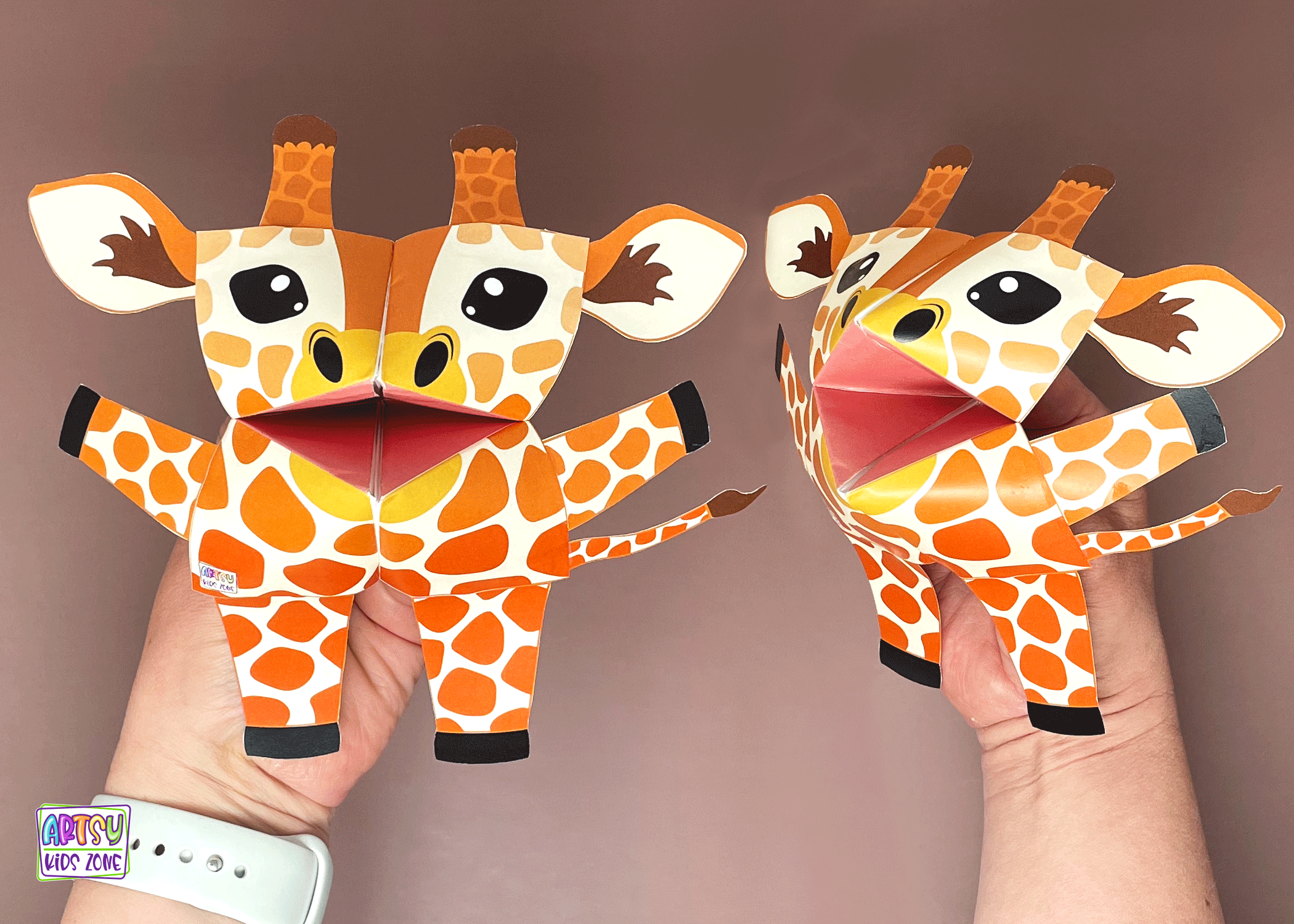
A cootie catcher, also called a paper fortune teller, is a folded square that opens and closes on kids' fingers. Each template below is printed, colored, cut and folded, so kids get a drawing activity and a game in one. Most kids ages 6 and up can fold one on their own after their first try.




Origami Challenges for Older Kids
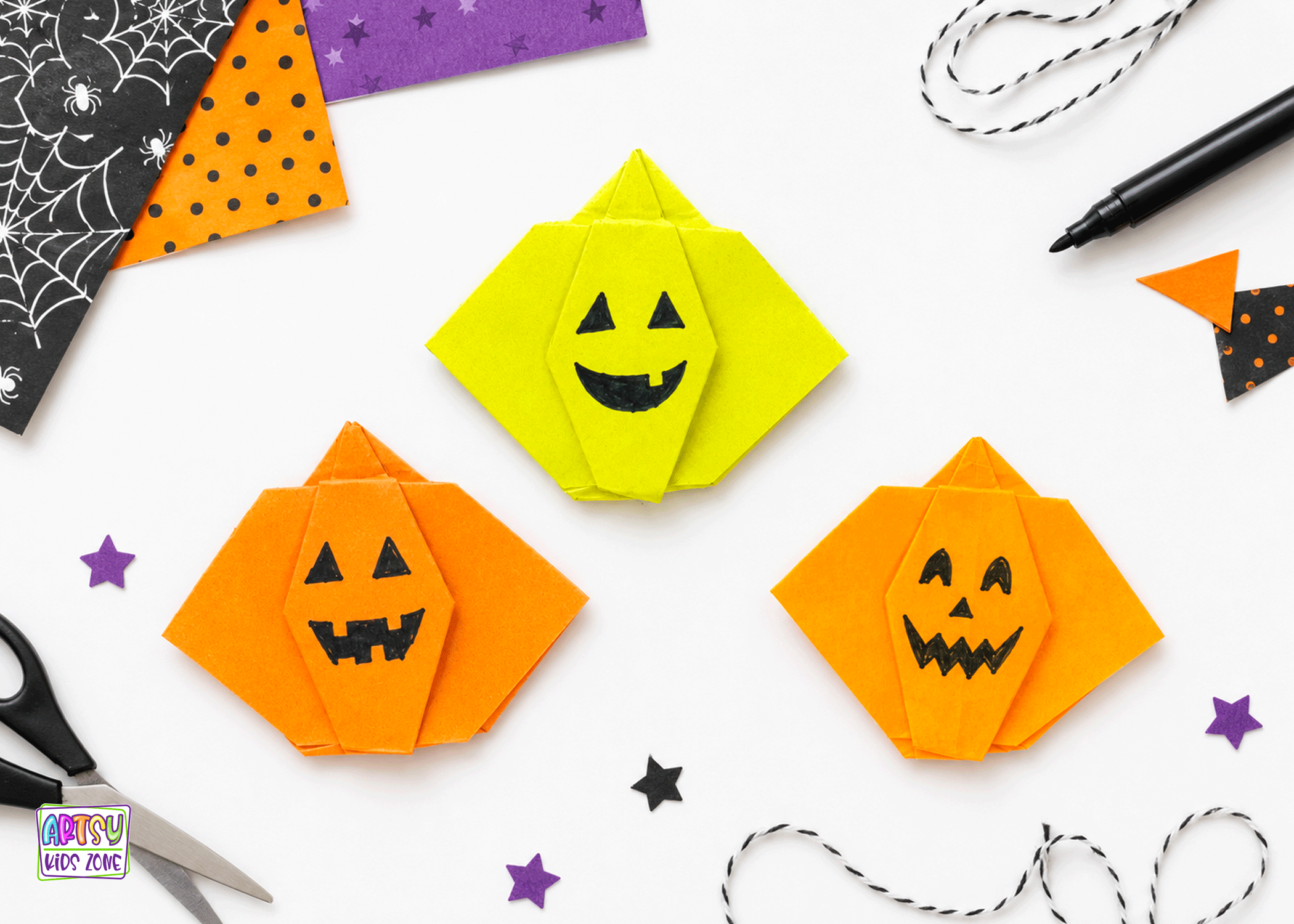
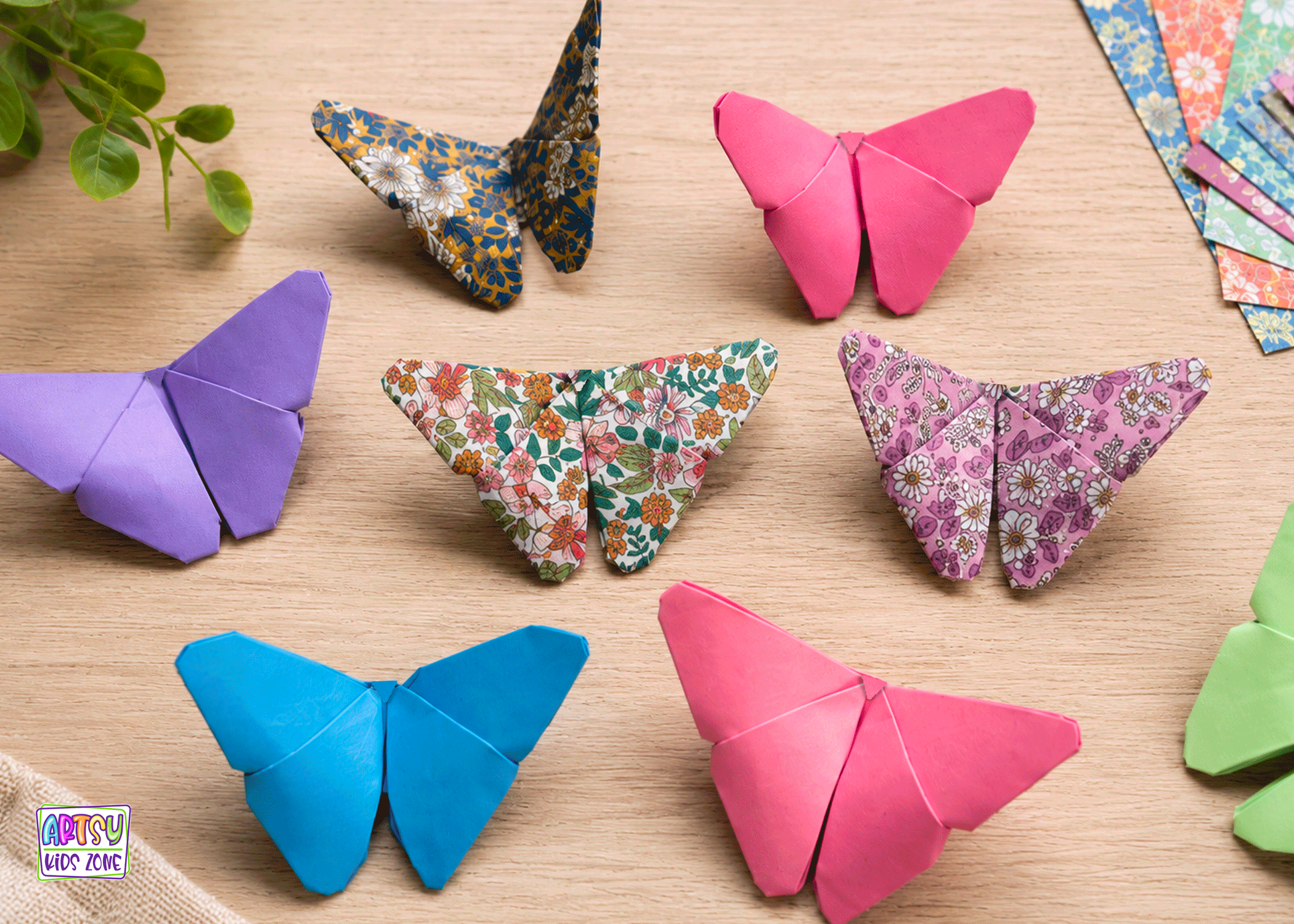
Ready for more? These models take more folds and more precise creases, and the results move or stand up on their own. They suit ages 8 and up, or younger kids who have finished the beginner projects.


What Paper Is Best for Kids' Origami?

The best paper for kids' origami is thin, square paper about 6 inches (15 cm) on each side. Packs of origami paper are colored on one side and white on the other, which makes it easy for kids to see which way a fold should go. Thin paper creases sharply and holds its shape, while thick paper like cardstock cracks and springs open.
Regular printer paper works well too. To make a square from an 8.5 × 11 inch sheet, fold one corner down to the opposite edge to make a triangle, then cut off the leftover strip. For the printable cootie catcher templates on this page, plain printer paper is the right choice because kids color it first.
For kids ages 4–5, larger squares of 8 inches (20 cm) are easier for small hands to line up.
Jessie’s tip: Keep a stack of printer-paper squares for practice runs and save the colored origami paper for the “real” one. Kids try again happily when a mistake only costs a scrap.
How to Teach Kids Origami: 5 Tips
-
Fold on a hard, flat table. Folding in the air or on a lap gives soft, uneven creases.
-
Line up the edges first, then crease. Have kids match the corners, hold them with one finger, and press the fold flat from the middle outward.
-
Sharpen every crease. Running a thumbnail or the side of a pencil along a fold makes the next step much easier.
-
Fold alongside your child. Kids learn origami best by copying a grown-up's paper one step at a time, rather than by reading the diagram alone.
-
Keep the first project short. Pick a model with fewer than 10 folds so the first try ends in success. A wrinkled frog that jumps is a win.
Jessie’s tip: Before handing a square to a younger child, pre-crease the first fold or two. They can see exactly where the next fold goes, and the finished model still feels like theirs.
Why Origami Is Good for Kids
Origami builds fine motor skills, because every fold asks small fingers to pinch, line up edges and press firmly. Those same hand muscles are the ones kids use to hold a pencil and use scissors.
Following a model step by step also practices sequencing and patience. Kids learn that skipping a fold changes the result, and that slowing down pays off.
Origami quietly teaches early geometry, too. Kids handle squares, triangles, diagonals and halves, and see a flat shape turn into a 3D one. Terms like "fold in half" and "corner to corner" give them a hands-on feel for shapes and symmetry.
Finally, origami ends with a toy. A cootie catcher becomes a game to share with friends, a frog jumps, and a boat floats, which keeps kids folding long after the craft is done.
Origami for Kids: Common Questions
What age can kids start origami?
Kids can start simple origami around age 4 with an adult folding alongside them. By ages 6–7, most children can follow a beginner model with 5–10 folds on their own, and by age 8 they can try multi-step models like a jumping frog. Start with large paper and short projects so the first try ends in success.
What is the easiest origami for beginners?
The easiest origami for beginners is a model with fewer than 10 folds, such as a paper boat, a dog or a cat. A cootie catcher is another good first project, because it repeats the same few folds and turns into a game. The Start Here section above lists three good first projects.
What size paper do kids need for origami?
Most kids' origami uses 6-inch (15 cm) square paper, the standard size sold in origami packs. Younger children ages 4–5 do better with 8-inch (20 cm) squares, which are easier to line up. Very small squares, under 3 inches, are best saved for older kids with more practice.
Can you use printer paper for origami?
Yes, regular printer paper works for most kids' origami. Cut an 8.5 × 11 inch sheet into a square by folding one corner to the opposite edge and trimming the extra strip. Printer paper is slightly thicker than origami paper, so it works best for models with fewer folds, and it is the right paper for printable cootie catcher templates.
What is the difference between a cootie catcher and a fortune teller?
A cootie catcher and a paper fortune teller are the same origami toy with different names. Both are a square of paper folded into four pockets that open and close on the fingers. Kids pick colors and numbers, then lift a flap to read a hidden fortune. Some families also call it a chatterbox.
How do you make a cootie catcher?
To make a cootie catcher, fold a square in half diagonally both ways, then fold all four corners into the center. Flip it over and fold the four new corners into the center again. Fold it in half, slide your thumbs and fingers into the four pockets, and push them together. The diagram below shows every step.
Jessie’s tip: Color the template while it’s still flat, then fold. Run a thumbnail along every crease two or three times. Sharp creases are what make the pockets snap open and shut.

How do you keep kids from getting frustrated with origami?
Keep kids from getting frustrated by choosing a short model and folding it alongside them, one step at a time. Show each fold on your own paper first, then let them copy it. If a crease goes wrong, unfold it and try again rather than starting over, and celebrate a finished model even if it's a little crooked.
Jessie’s tip: When a fold goes wrong, resist fixing it for them. Unfold back to the last good step and let them refold along the creases already there.
More Art Topics to Explore
Love folding paper? These collections share the same easy, low-mess style.


