


Heart Resist Painting for Kids – Easy Q-Tip Dot Art Heart Craft

All art projects & crafts require adult supervision. This post may contain affiliate links. Read our full disclosure policy.

Valentine’s Day is the perfect time to slow down, get creative, and enjoy simple art projects that kids truly love—and this Heart Resist Painting for Kids checks all the boxes. This easy Q-tip dot art heart craft is colorful, playful, and just the right mix of process art and Valentine fun. Kids are always amazed by the “magic” moment when the heart is revealed, making this project extra exciting from start to finish.
One of the best parts of this heart resist painting project is how approachable it is for younger children. Preschoolers and kindergarteners can jump right in without feeling overwhelmed. Using Q-tips instead of paintbrushes helps little hands feel confident and successful, while still allowing them to explore color, spacing, and patterns in a stress-free way. There’s no right or wrong outcome—every heart turns out beautifully unique.
This project is also wonderful for building important early learning skills. Dipping Q-tips into paint and pressing dots onto paper helps strengthen fine motor skills, hand-eye coordination, and finger control. Younger kids naturally practice patience and focus as they carefully place each dot around the heart shape, all while having fun and staying engaged.

Because the process is simple and repetitive, it’s especially calming and confidence-boosting for young artists. Kids can work at their own pace, choose their favorite Valentine colors, and proudly show off their finished artwork. It’s a fantastic option for classroom art centers, small groups, or a cozy at-home craft session leading up to Valentine’s Day.
Older kids can enjoy this heart resist painting too—just with a creative twist. They can use the same dot art technique to design handmade Valentine’s cards, experimenting with color patterns, gradients, or even words around the heart. It’s a great way to adapt one simple art process for multiple age levels, making it perfect for families or mixed-age classrooms.
This heart resist painting also works beautifully as a low-prep Valentine craft. With just a few basic supplies, kids can create a finished piece that feels special and display-worthy. Whether it’s taped to the fridge, hung on a bulletin board, or turned into a card for someone they love, the final result always feels meaningful.

Mailbox Valentine's Day Bag 
TP Roll Love Bug 
Paper Woven Heart Baskets. 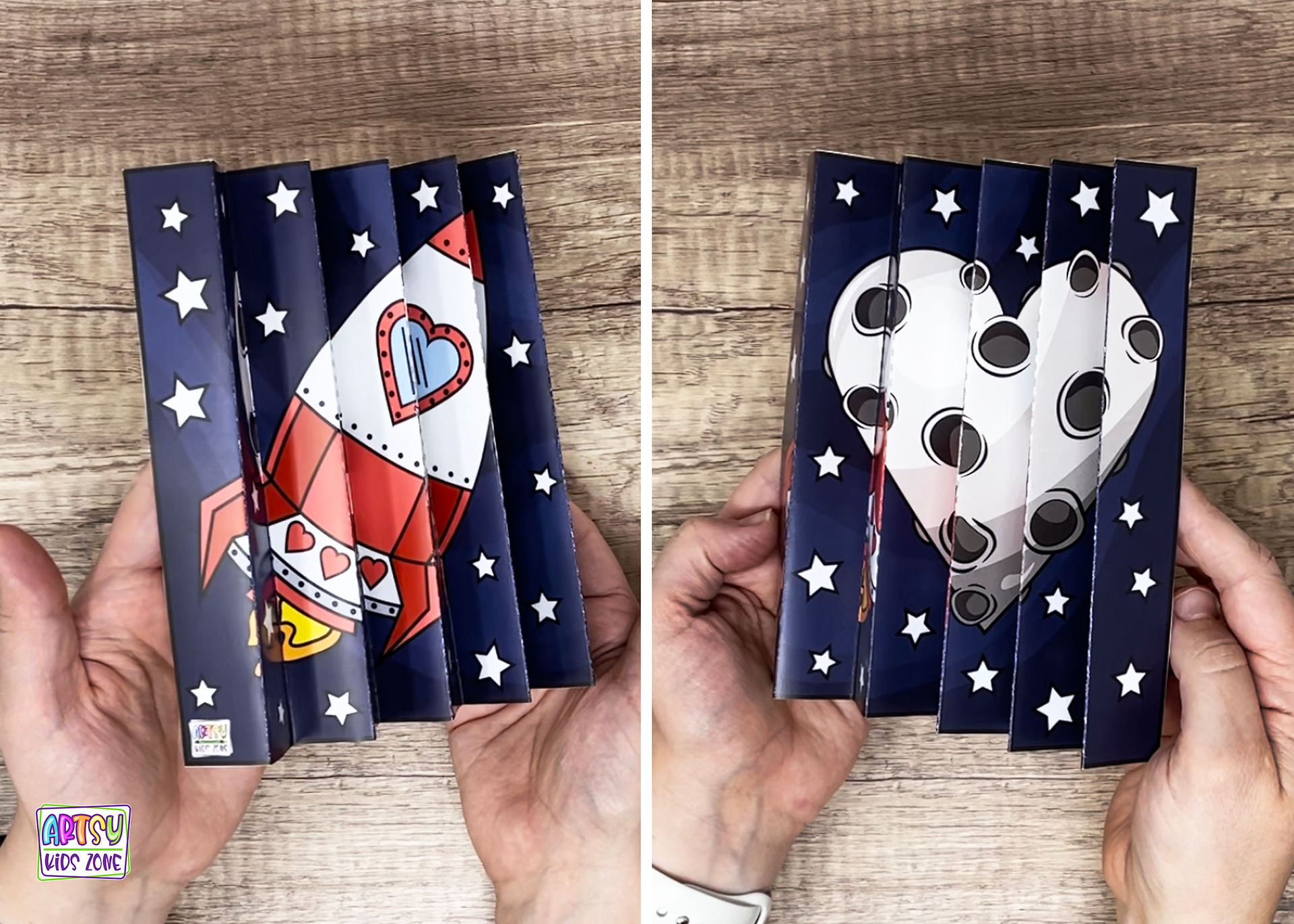
Agamograph 
Straw Rocket 
Scented Playdough 
Valentine Scratch Off DIY 
Paper Bag Robot 
Crayon Resist
If you’re looking for more Valentine’s Day creativity, the blog is full of fun, kid-approved projects to pair with this one. From cozy yarn art and adorable TP Roll Love Bugs to classic woven paper hearts, there’s something for every crafting style. Kids also love imaginative builds like the Love Robot Paper Bag, and classroom celebrations are made easy with the Valentine’s Day Mailbox Paper Bag for collecting valentines.
Together, these projects make Valentine’s Day crafting joyful, accessible, and full of heart. Whether you’re working with preschoolers, kindergarteners, or older kids who love turning art into gifts, this Heart Resist Painting for Kids is a must-try activity that celebrates creativity, confidence, and Valentine’s Day fun in the sweetest way.
Supplies Needed
Tempera paint (multiple colors)
Q-tips
White cardstock paper
Paper plate (to hold paint)
Removable vinyl
Step-by-Step Instructions Heart Resist Painting for Kids – Easy Q-Tip Dot Art Heart Craft

Step 1: Create the Heart Sticker
Draw a heart shape on the removable vinyl and carefully cut it out. This will be your resist sticker that creates the heart shape in the finished artwork.

Step 2: Place the Heart on the Paper
Peel the backing off the vinyl heart and place it in the center of your cardstock paper. Press firmly around all the edges to make sure it is fully stuck down with no bubbles or loose spots. This helps keep paint from sneaking underneath.
Step 3: Prepare the Paint
Squeeze small drops of tempera paint onto a paper plate. Valentine’s Day colors like pinks, purples, and reds work beautifully, but any colors your child chooses will look great—this is all about creativity and personal choice.

Q-tip painting. 
Q-tip painting.
Step 4: Paint with Q-Tip Dots
Dip a Q-tip into the paint and gently tap it onto the paper to create dots. Be sure to tap, not drag, the Q-tip so the paint stays in dot form instead of turning into lines. When switching colors, use a new Q-tip to keep the colors clean and bright.Tip: Add lots of dots close to the heart shape to really outline it, then space the dots farther apart as you move away from the heart.
Step 5: Let the Paint Dry
Set the artwork aside and allow the paint to fully dry. This is important so the paint doesn’t smear when the sticker is removed.

Step 6: Reveal the Heart
Once the paint is dry, carefully peel off the vinyl heart sticker to reveal a crisp, white heart in the center of the artwork.
Enjoy the Art!
Admire your child’s beautiful heart resist painting! Display it, turn it into a Valentine’s card, or save it as a keepsake to celebrate their creativity.

Unicorn Crown 
Printable Dino Feet 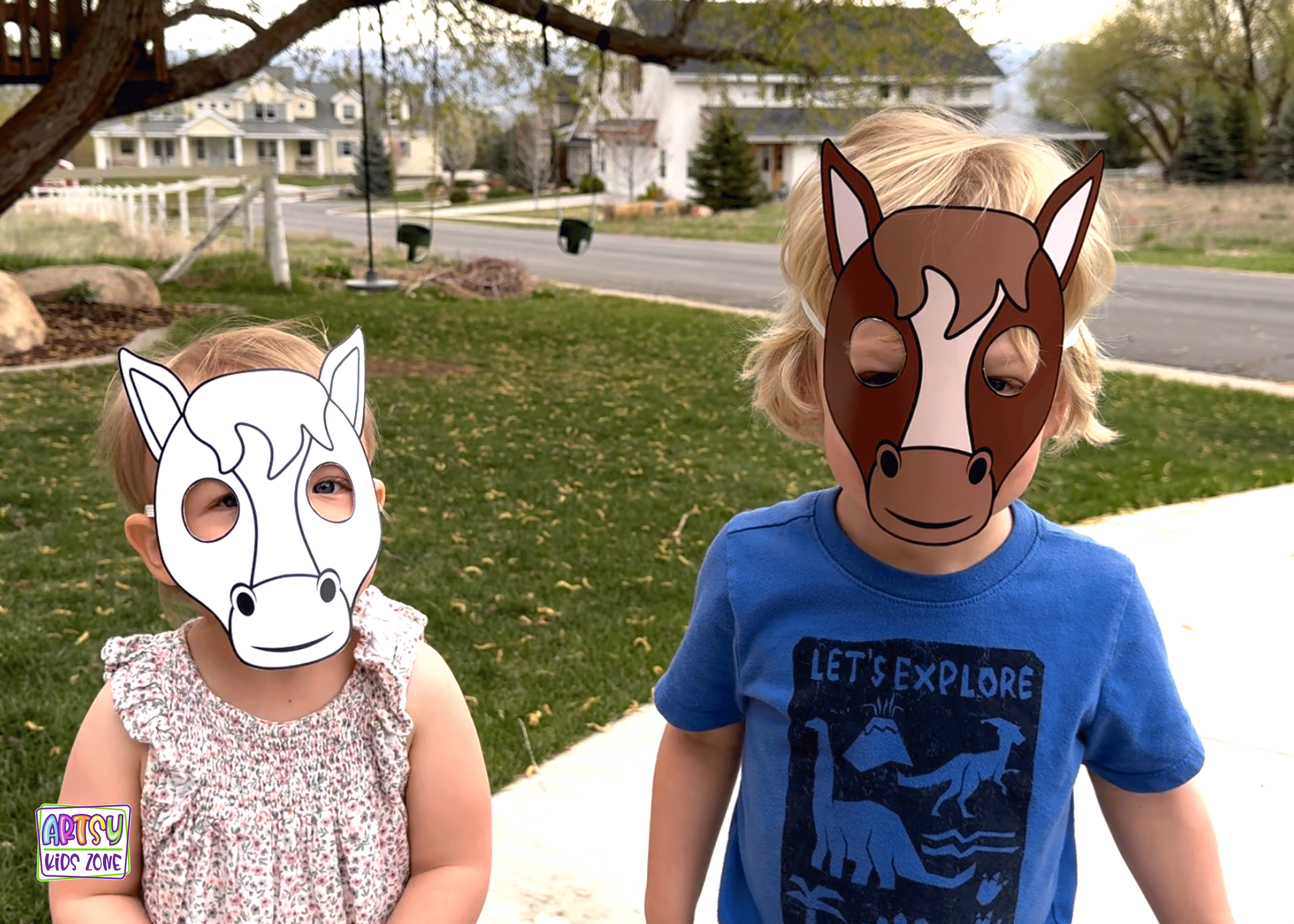
Horse Masks 
Rainbow Fish 
TP Roll Butterfly 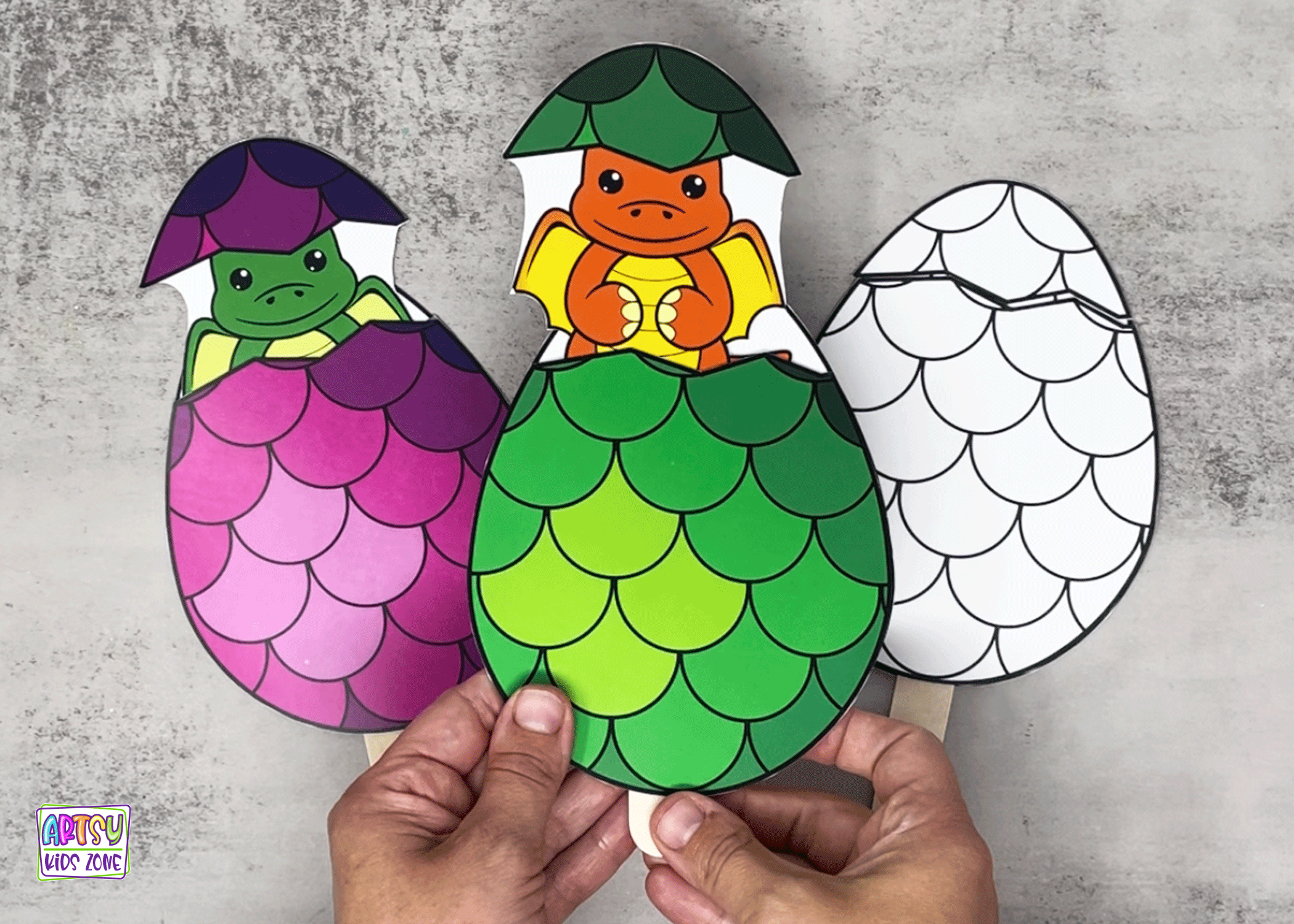
Hatching Dragon Eggs 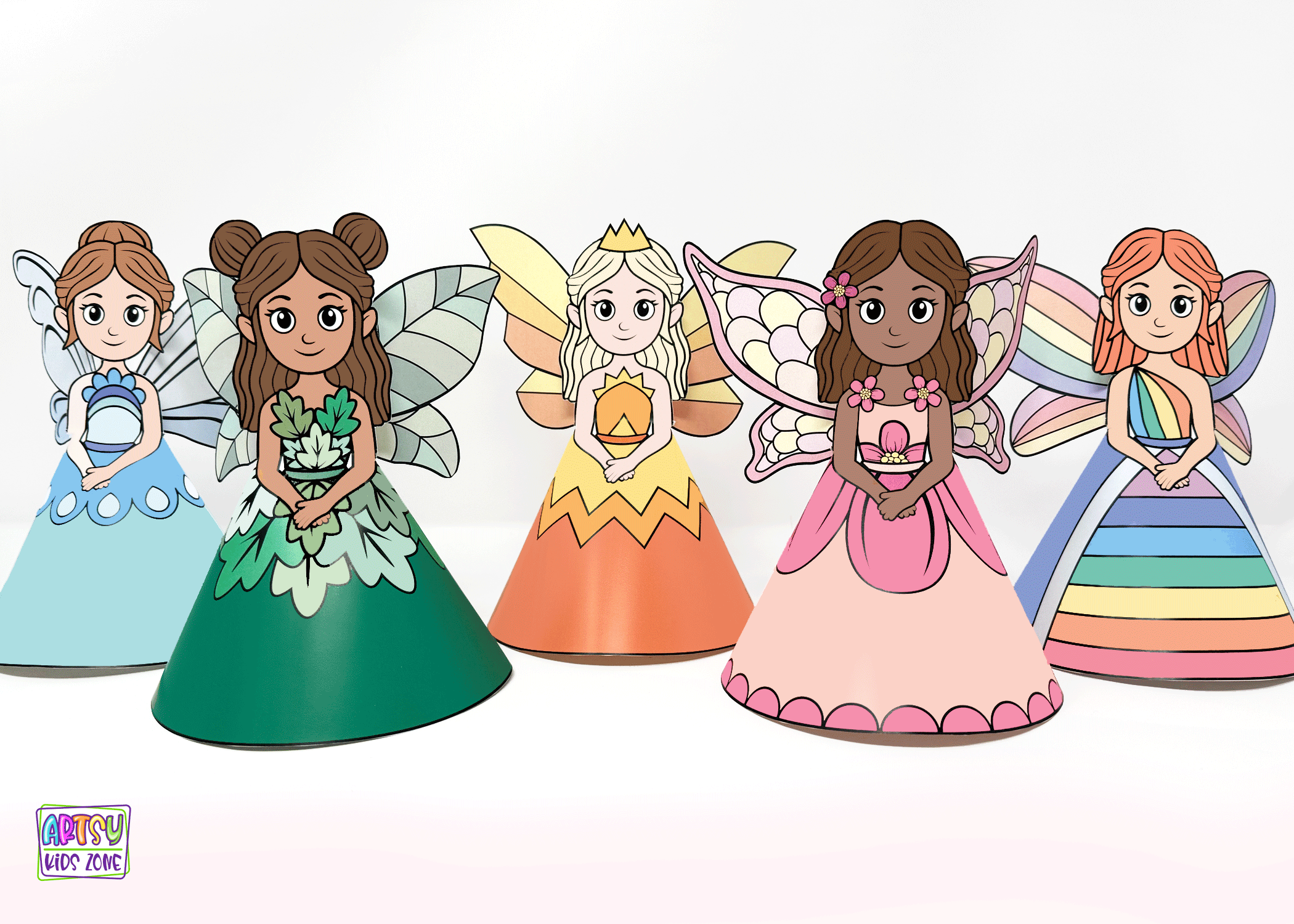
3D Paper Fairy Dolls 
Finger Puppets 
Agamograph
If your kids enjoyed this Q-tip dot painting technique, there are so many more creative projects on the blog they’ll love just as much. Process art like this is a great gateway into imaginative crafting, and it pairs perfectly with projects that encourage coloring, cutting, building, and storytelling. Once kids discover how fun simple supplies can be, they’re usually eager to try the next creative adventure.
Be sure to check out other favorites like the 3D Fairy Paper Dolls, which bring coloring and pretend play together, and TP Roll Butterflies, a fun way to turn recycled materials into bright, cheerful art. Kids also love wearable crafts like Unicorn Paper Headbands, perfect for dress-up and imaginative play, as well as colorful projects like Rainbow Fish, which are great for exploring color and texture. With so many playful, kid-approved crafts to choose from, there’s always something new to create—whether you’re crafting at home, in the classroom, or planning your next themed art day


Comments