


Kid-Friendly Paint Pouring for Kids (Easy Tempera Paint & Glue Recipe)

All art projects & crafts require adult supervision. This post may contain affiliate links. Read our full disclosure policy.

Paint pouring is one of those magical art projects that instantly feels exciting the moment the paint starts to move. Colors swirl, drip, and blend together in unexpected ways, and kids are always amazed that they don’t have to “draw” anything for it to turn out beautiful. This kid-friendly paint pouring project is all about letting go, experimenting, and enjoying the process just as much as the finished artwork.
What makes this project extra special is how relaxing and stress-reducing it can be for kids. Watching paint slowly flow across the paper is calming, almost hypnotic, and there’s no pressure to make things perfect. Paint pouring encourages kids to slow down, breathe, and trust the process—something that’s especially helpful for kids who feel anxious, overwhelmed, or frustrated by more structured art activities.
This version of paint pouring is designed specifically for kids, using washable tempera paint, school glue, and water—no acrylics required. That means it’s safer, more affordable, and much easier to clean up than traditional paint pour art. Kids still get that bold, abstract look they love, without parents worrying about permanent stains or strong fumes.

One of the best things about paint pouring is that every piece turns out completely unique. There’s no “right” or “wrong” way to do it, which makes this an amazing confidence-boosting art project. Kids can’t mess it up—each pour creates its own patterns, colors, and surprises, and that sense of freedom is incredibly empowering.
That said, let’s be honest—this craft is messy, and that’s part of the fun! Paint pouring involves liquid paint, tilting paper, and sometimes enthusiastic hands, so setting up properly is key. We recommend covering tables with butcher paper or plastic tablecloths, using trays or baking sheets under each project, and having wipes or paper towels ready before you begin.
Because of the mess factor and the need for a little patience during pouring and tilting, this project works best for kids ages 9 and up. Younger kids may enjoy watching or helping with parts of the process, but older kids tend to have the control and focus needed to really enjoy the experience.

Adult supervision is strongly recommended, especially during setup and cleanup. Helping kids mix the paint to the right consistency, manage spills, and choose where to pour makes the experience smoother and more enjoyable for everyone. Plus, paint pouring is one of those projects that adults secretly love too—you might find yourself joining in!
If you’re looking for a creative activity that encourages relaxation, self-expression, and a little joyful mess, kid-friendly paint pouring is a perfect choice. With the right setup and expectations, this art project becomes a memorable, stress-relieving experience that kids will want to try again and again—and each artwork will be as one-of-a-kind as they are.
Supply List
Washable tempera paint
White school glue (like Elmer’s)
Water
Plastic cups
Craft sticks or spoons for mixing
Canvas paper or canvas
Tray or baking sheet (for mess control)
Gloves
Disposable Tablecloth
Drying Rack

Basic Paint Pouring Recipe (Best Starting Point)
This creates a smooth, pourable paint that flows nicely without being too runny.
2 tablespoons tempera paint
1 tablespoon school glue
1 tablespoon water
Mixing Instructions:
Start by measuring and adding the tempera paint, school glue and water to a plastic cup.
Continue to mix until the paint is completely smooth, making sure there are no lumps. Take your time stirring so everything blends together nicely. The goal is to reach a consistency that feels like warm honey or melted ice cream. If the paint feels too thick, add just a few drops of water and stir again. If it becomes too runny, mix in a little more tempera paint or glue until it thickens back up.
Mix More Colors In Different Cups:
For best results, it’s recommended that kids use three to five colors for each paint pour. This amount creates enough contrast and movement for the colors to swirl and blend beautifully without becoming muddy. Beginners may find that starting with just two or three colors feels less overwhelming and easier to control, while older or more confident kids can experiment with four colors for more dynamic results. Using too many colors at once can cause everything to blend together, so keeping the color count limited helps kids feel successful and proud of their finished artwork.
Why School Glue Works
Helps paint stick to paper/canvas
Adds a slight shine when dry
Improves flow and blending
Makes the artwork more durable for kids
Before you begin, take a few minutes to set up your work area so the mess stays contained and the fun stays stress-free. Paint pouring is messy in the best way, so start by covering your table with a disposable tablecloth, plastic sheet, or butcher paper to protect the surface underneath. Place a tray or shallow bin on top of the covered table, then set your canvas inside the tray. To allow excess paint to drip off easily, prop the canvas up using old cups, small containers, or even a cooling rack placed inside the tray. This raised setup helps the paint slide off the canvas naturally as you pour and tilt, keeping the colors flowing and the cleanup manageable.

There are several paint pouring techniques, but for this project we’ll focus on the Direct Pour technique, which is especially easy and fun for kids. Start by choosing your first paint color and pouring it directly onto the canvas in small puddles. For an 8×10 canvas, about five or six pour spots works really well.

Next, choose a second color and pour it right into the middle of each puddle. Continue repeating this step, adding each color into the center of the existing puddles, until all of your colors have been used.

Once the paint is on the canvas, try the Tilt Technique to help the colors move and blend. Gently lift and tilt the canvas in different directions so the paint slowly flows across the surface. This is where gloves come in handy, since paint may drip over the edges. Allow the excess paint to pour off the canvas and collect in the tray below, creating beautiful movement and blended patterns.

For kids who want a little more control, the Swirl with Stick technique is a great option, especially for younger artists. Using a craft stick, lightly drag the stick across the surface of the paint in narrow lines. This step should be used sparingly—less is definitely more. Avoid stirring or overmixing the paint, and instead gently slide the stick through the colors in a single direction. Too much swirling will mix the colors together and reduce the bold, marbled look that makes paint pouring so exciting.
Tips for Kids & Classrooms
Use washable tempera only
Cover table with butcher paper or a tray
Let artwork dry flat for 24 hours
Canvas paper works better than regular printer paper
For kids who are excited to experiment and try something new, paint pouring is a great opportunity to explore how colors interact and move. One fun way to experiment is by changing the order of the colors as you pour. Instead of always pouring the same color first, try starting with a dark color, then layering lighter or brighter colors on top. This can create bold outlines, surprising contrasts, and more dramatic designs as the paint spreads across the canvas.
Another extra step kids can try is varying the size of the paint puddles. Larger puddles will spread farther and faster when the canvas is tilted, while smaller puddles create more delicate details and lines. Encourage kids to mix big and small pours across the canvas and watch how the different sizes affect the final look. This helps kids learn cause and effect while still keeping the activity playful and creative.

Kids can also experiment with tilting speed and direction. Slowly tilting the canvas creates smooth, blended color transitions, while quicker tilts can create long streaks and flowing lines. Try tilting in one direction first, then rotating the canvas and tilting again to see how the paint layers and overlaps. Remind kids to pause between tilts so the paint has time to move on its own.
For an extra creative touch, kids can carefully use a craft stick or the edge of a spoon to pull paint toward empty areas of the canvas. This works best near the edges and corners where paint may not reach on its own. Lightly drag the tool in straight lines rather than swirling, and stop often to see how the paint settles. This small amount of guidance keeps the artwork interesting without overmixing the colors.
Finally, encourage kids to step back and observe before deciding whether to add more movement or details. Paint pouring is all about patience and letting the paint do the work. Sometimes the most beautiful effects happen when kids resist the urge to keep changing things and instead allow the paint to naturally flow, drip, and settle into place.

Dry For 24 To 48 Hours
Once the paint pouring is finished, it’s important to let the artwork dry completely without being disturbed. Carefully place the canvas, still resting on its cups or rack, inside the tray and move it to a safe, level spot where it won’t be bumped or touched. Keeping the canvas raised allows excess paint to continue dripping off while it dries, which helps prevent thick paint pools from forming underneath.
Paint pouring artwork should be left flat and untouched for at least 24 hours. Avoid picking it up too soon, even if the surface looks dry, because the paint underneath may still be wet and can easily shift or smear. For thicker pours or very humid environments, drying may take up to 48 hours.
Once the paint has fully stopped dripping, you can carefully remove the cups or rack and leave the canvas flat on a protected surface to finish drying. Make sure the artwork stays in a well-ventilated area and out of direct sunlight, which can cause cracking or uneven drying.
When the canvas is completely dry, gently peel away any dried paint drips from the bottom or edges. At this point, the artwork is ready to display, gift, or hang up to enjoy—no sealing is required for tempera paint projects, though keeping the art indoors will help preserve it longer.

Melted Crayon Fireworks 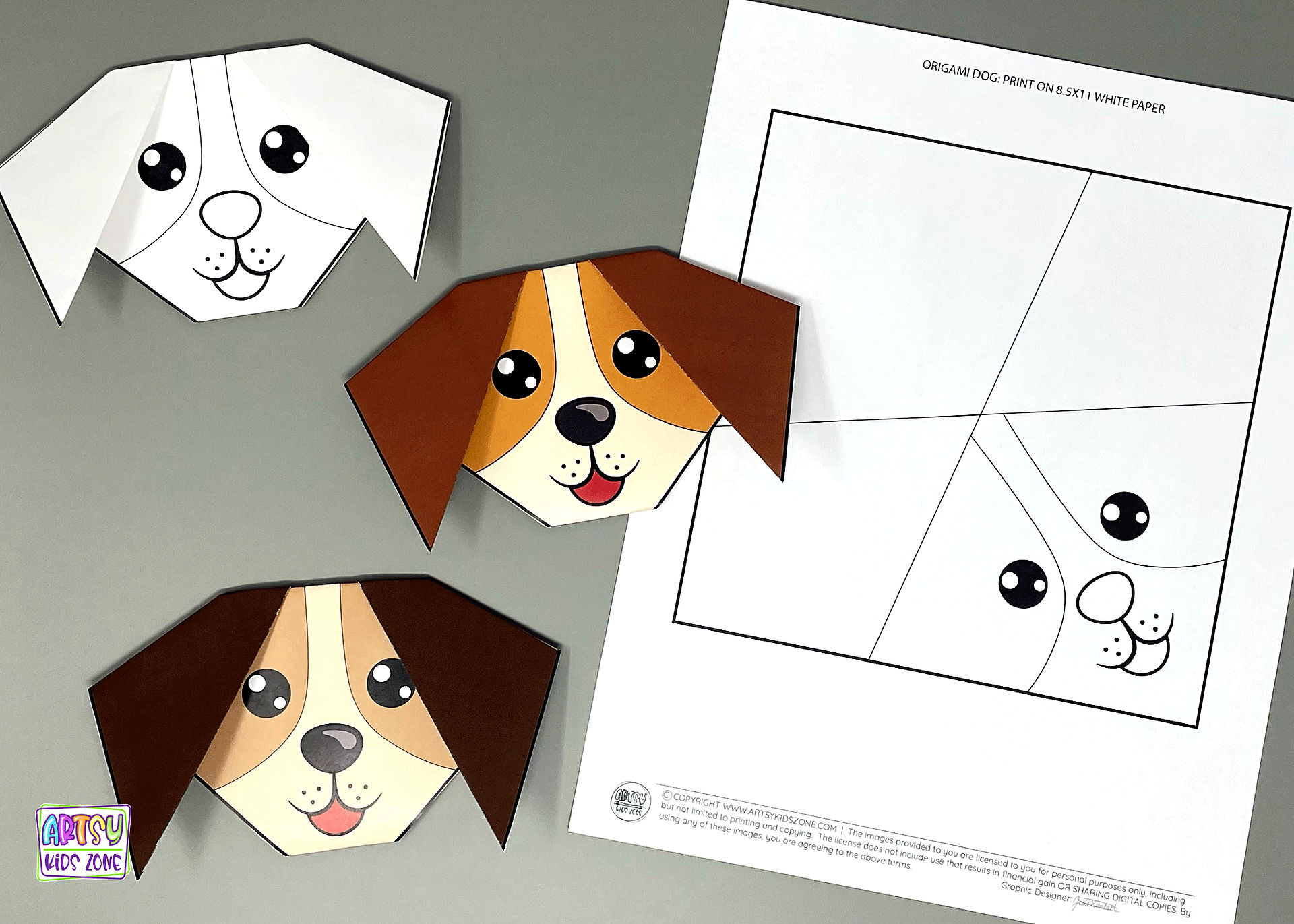
Origami Dog 
TP Roll Fish 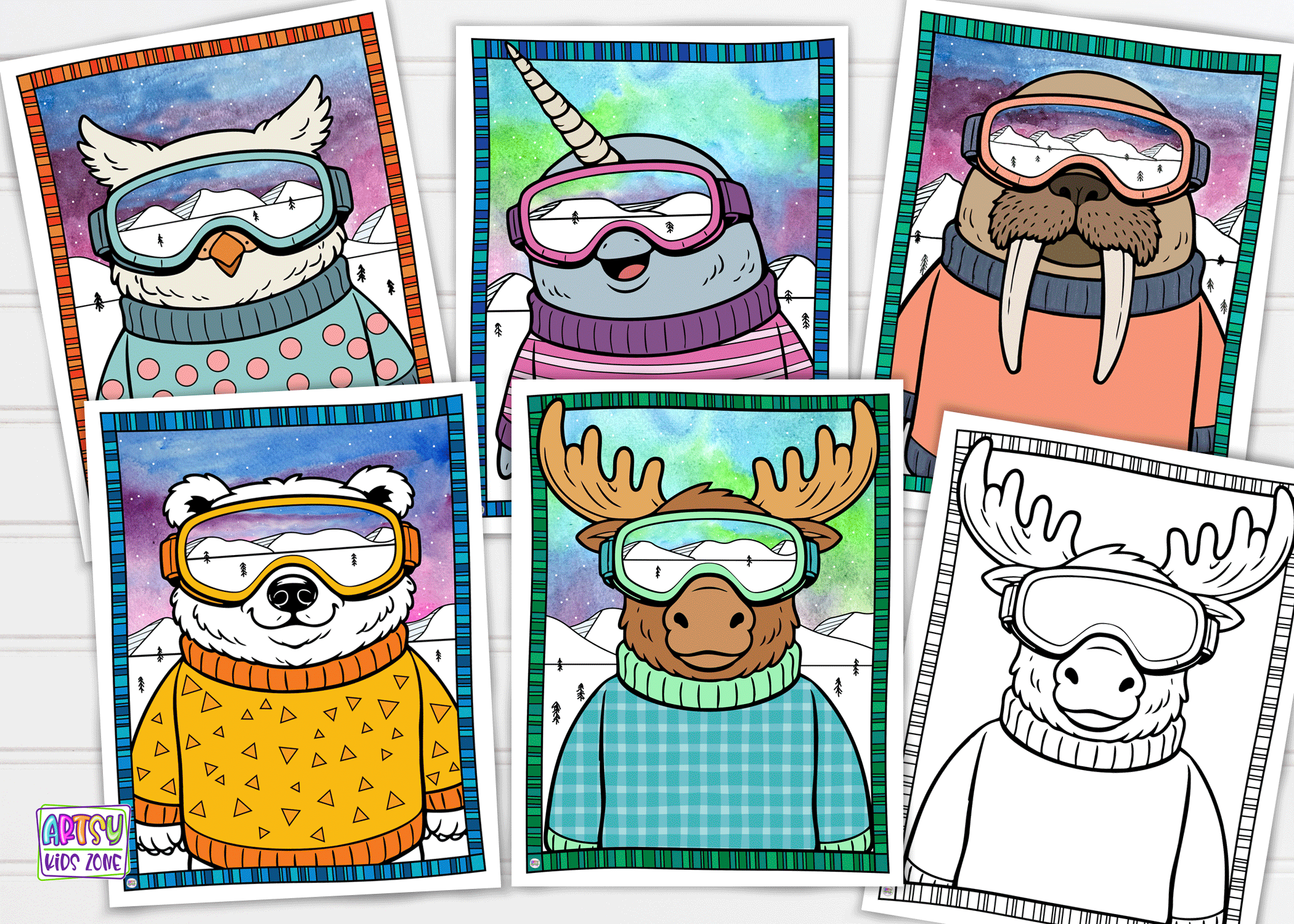
Northern Lights Arctic Animals 
Salt Painting Penguin 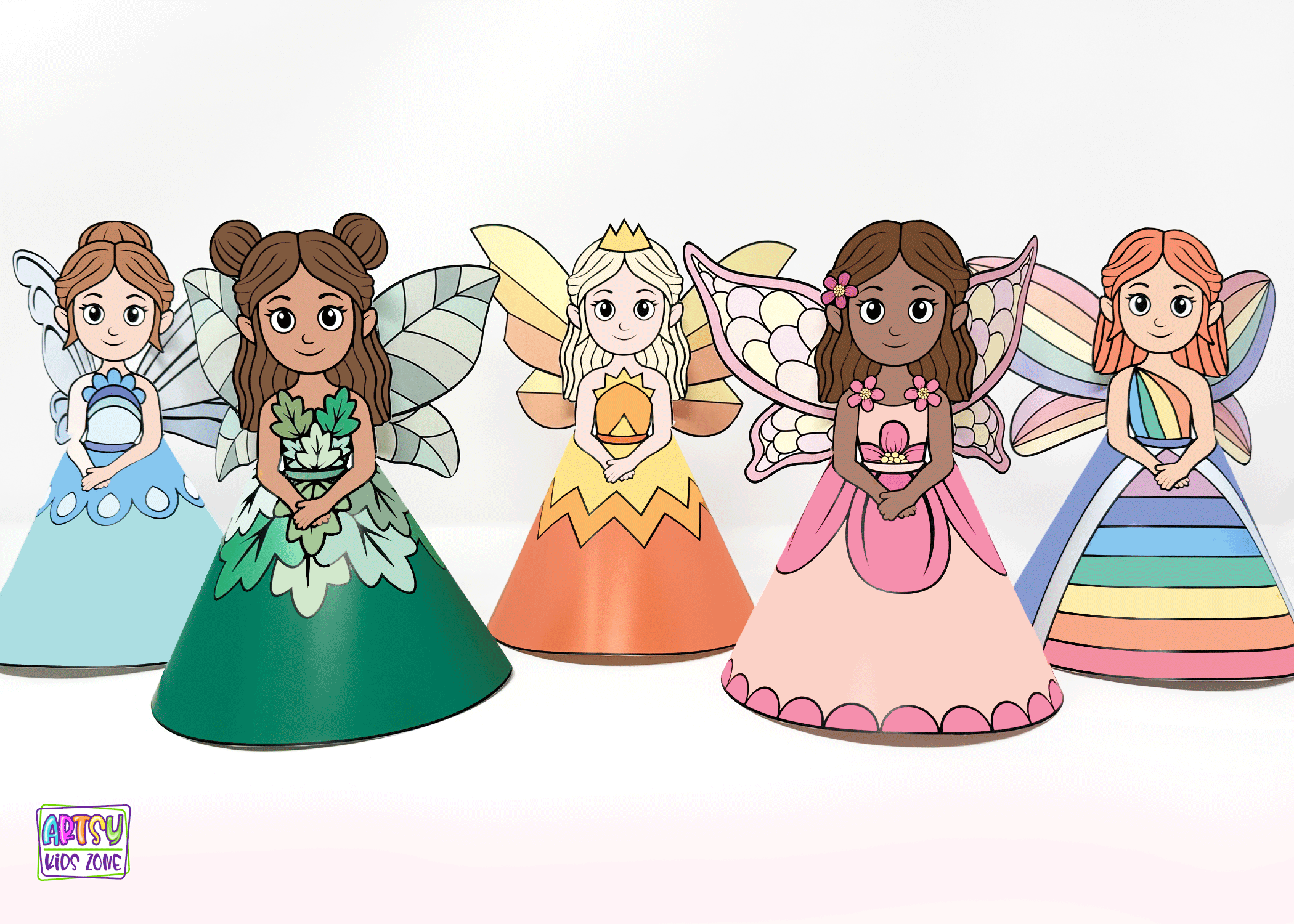
Fairy Paper Dolls 
Agamograph 
Water Gun Painting 
Dino Masks
The fun doesn’t stop here with paint pouring! If your kids loved watching colors swirl, drip, and blend together, there are tons of fun, creative art projects for kids waiting for you on the blog. From colorful painting ideas and simple mixed-media crafts to hands-on projects that encourage imagination and creativity, there’s something for every age and skill level. Whether your child wants to get messy, try a new technique, or create a masterpiece they’re proud to display, you’ll find plenty of kid-approved inspiration to keep the creativity going long after the paint has dried.


Comments